

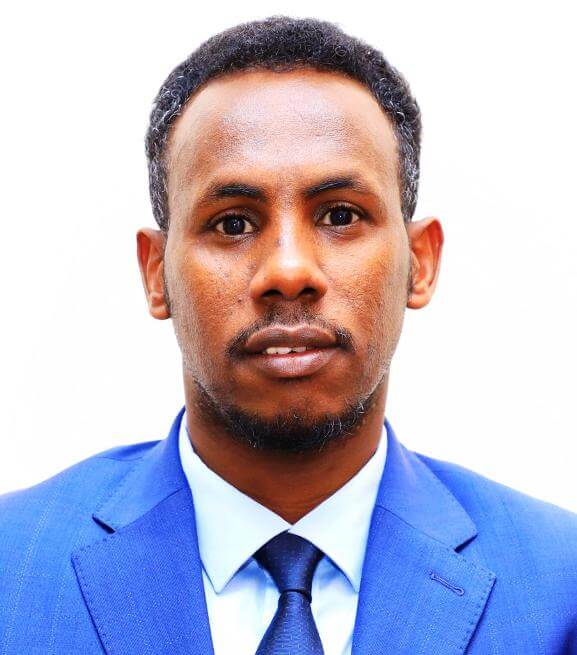
UNHCR’s Representative in Kenya, Raouf Mazou, said in a statement that the agency was working closely with Kenya to ensure that Somali refugees’ rights were upheld and that solutions were found to enable them to live in peace and security, including voluntary repatriation in conditions of safety and dignity.
The UNHCR and Kenya are repatriating Somali refugees living in northern Kenya’s Dadaab, the world’s largest refugee camp currently harboring more than 300,000 Somalis, as Kenya said it would close the camp in November, citing mainly security concerns.
Dadaab was set up over 20 years ago to house Somalis fleeing civil conflict.
The Human Rights Watch said on Thursday that Kenya was not giving the Somalis a real choice between being repatriated or staying, and that Kenya’s repatriation program does not meet international standards for voluntary return of refugees.
The rights group said refugees described intimidation by the Kenyan government, silence over alternative options that would allow them to remain in Kenya, and inadequate information on conditions in Somalia.
It said that many refugees living in Kenya’s Dadaab camp say they have agreed to return home because they feared Kenya will force them out if they stay. It also accused the UNHCR of not giving the refugees accurate information about security conditions in Somalia.