

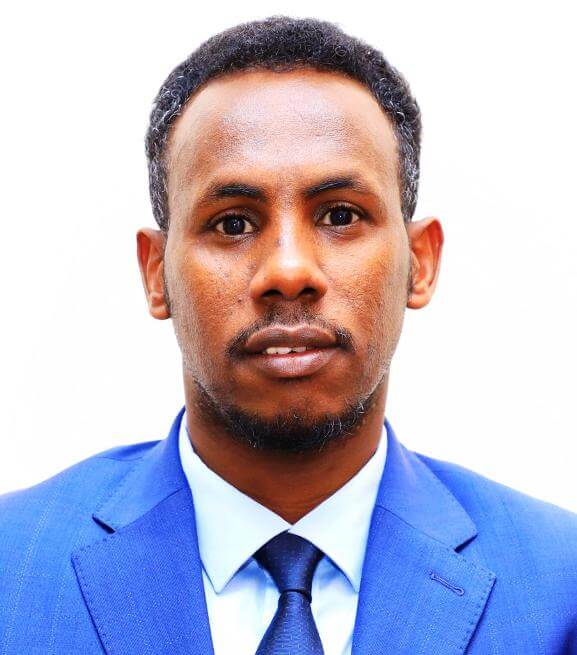


What is the situation like here in Mogadishu?
Mogadishu is generally calm, but the main challenge is vehicle explosions targeted at business communities and political rivals. In Lower Shebele, there is a land conflict and that makes al-Shabaab take advantage.
You attended a meeting between the UPDF Chief of Defence Forces, Gen David Muhoozi, and Somali president Mohamed Farmajo. What was the meeting about?
The CDF and president were evaluating the progress so far. A lot of ground has been covered, but there [still remains] many challenges. Among these is failure on the part of Somali institutions to secure its nations. As UPDF and Amisom we have done a good job. We have managed to liberate 78 out of 92 districts. A good job has been done by Amisom but the question is sustainability.
There is an issue of governance; the federal member states have elected their president and leaders, but they have not been in the local areas to extend services such as education, roads, law and order. There should be a holistic approach to win the hearts of people.
What were the key areas discussed in the meeting?
UPDF and Somali leaders came up with a concept which we have agreed amongst us. We have to mobilise the rest of the international community to generate enough troops to be like arrow boys and be able to defend their communities.
There is a plan to drawdown starting October next year. Do you think you would have empowered the Somali force to handle its security challenges by then?
That is an AU-UN review that made some recommendations on which we were not consulted. We think those recommendations need to be reviewed. Those drawdowns are a little bit too early because we have to rebuild the Somali national security forces. We need to review the post-nation challenges.
UPDF and Amisom have been here for more than 10 years, what haven’t you done to build Somali national force?
State building is not a one day work, especially for a state such as Somalia which has not had a government for more than 20 years. It takes more than training. We trained more than 5,000 soldiers. They are supposed to be in the barracks and be paid as part of retention, but this was not done. We trained and gave them to the government but they were lost because they were not handled well. They need to be reorganised and given pay, food and other sorts of welfare.
You talked of tribal conflicts, do the warring clans and tribes engage Amisom troops like al-Shabaab do, and what are you doing to reconcile the fight parties?
Yes they fight us. But I believe this conflict requires a comprehensive approach. It is not only the military. There is need of a conflict resolution plan by political actors of UN-AU. They should make sure these conflicts are resolved. They need to be resolved from the village level.
As an envoy, could you tell us how many Ugandans are doing business in Somalia?
We have a population of 2,000 Ugandans in security as guards working at the airport and a few who have engaged in business. There are about three of them who have started hotels and engaged in hardware shops. The only way you can do business here is by joint venture.
We see Aden Airport quite busy. Are there airlines that fly from Uganda direct to Somalia?
Unfortunately, we don’t have any Ugandan airline. We are encouraging the Uganda Airline to resume because there are opportunities here.
Flying to Kampala is quite challenging because you have to go through Kenya and it takes the whole day yet it would have been a two and half hours flight.