



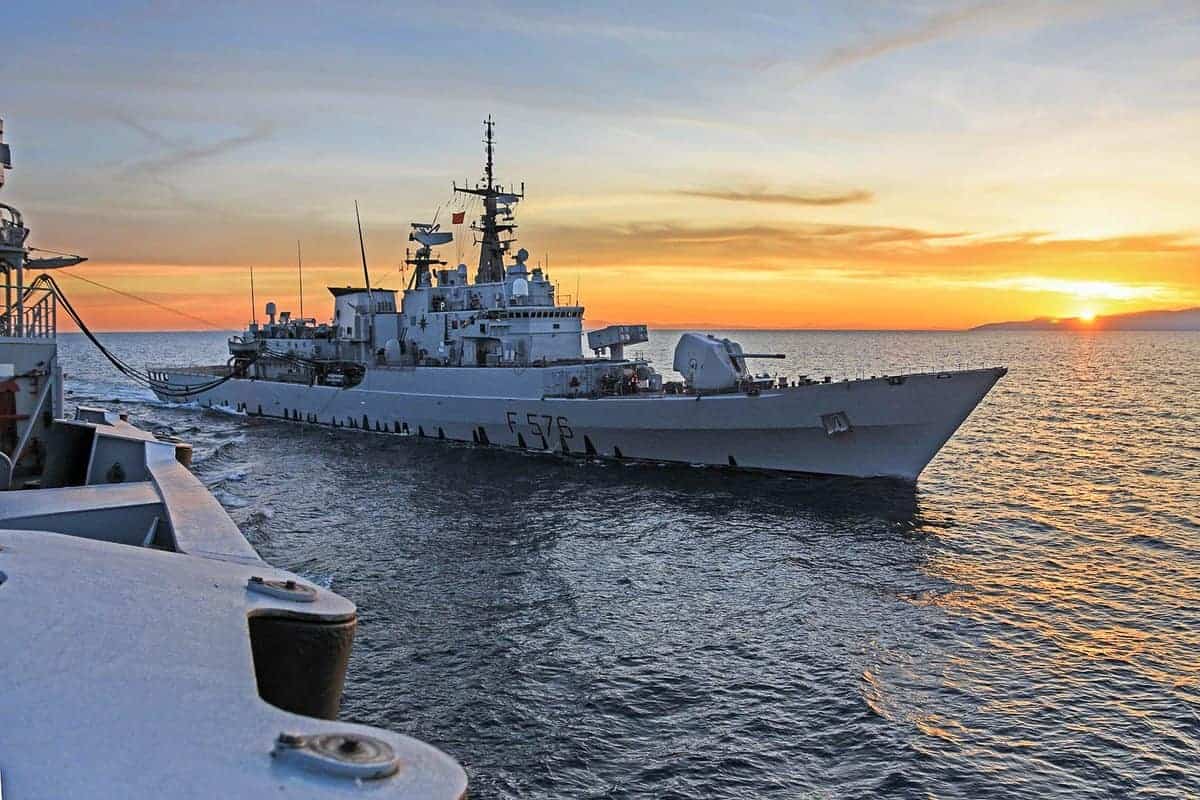
the first European maritime Common Security Defence Policy operation was launched on 8 December 2008, to tackle the Somali Piracy crisis, in support of UN Security Council Resolution 1816 (2008). At the time, international maritime traffic plying east-west trade routes between Europe and Asia saw violent criminal groups operating from the Somali shore, seizing increasing numbers of vessels and their crews and cargoes for ransom. As a direct consequence, humanitarian efforts in the region were adversely impacted and the UN arms embargo continued to be violated.
High Representative/Vice-President Federica Mogherini said:” Peace and security are at the heart of the partnership between the EU and Africa. With Operation EU NAVFOR Atalanta our women and men in uniform have for the past ten years successfully been fighting piracy, to the benefit of our two continents alike. We will keep working with the same commitment to avoid that piracy comes back in the area. EU NAVFOR Atalanta is a success story of our EU defence put to action.”
There has been both a human and an economic impact from Somali piracy. More than 215 people are known to have been taken hostage, many of whom suffered various physical injuries and / or mental traumas. Others were even killed by Somali pirates. Over the last ten years, EU NAVFOR Atalanta has helped to greatly reduce the impact of Somali piracy:
- From a high of 176 attacks in 2011, incidents have gone down to a total of just four failed attacks in 2018.
- Since October 2016, no hostages or vessels have been held.
- EU NAVFOR has a 100% record in ensuring the safe delivery of 1.8 million tonnes of World Food Programme (WFP) aid to Somali ports, through the application of Best Management Practices including the deployment of armed security teams known as Autonomous Vessel Protection Detachments (AVPDs), to WFP vessels.
- The cost of Somali piracy to the shipping industry had reduced from circa $7 billion in 2011 to $1.4 billion by the end of 2017. For European countries and citizens this has enabled the continued free passage of goods and materials to and from Europe and has helped reduce costs to the European producer and prices for the European consumer.